





Sale!
BEST SELLERS
Original price was: $19.99.$3.00Current price is: $3.00.
Sale!
BEST SELLERS
$3.00
Sale!
BEST SELLERS
Original price was: $19.99.$3.00Current price is: $3.00.
Sale!
BEST SELLERS
Original price was: $19.99.$3.00Current price is: $3.00.
Sale!
BEST SELLERS
Original price was: $22.99.$3.00Current price is: $3.00.
Sale!
BEST SELLERS
Original price was: $16.99.$3.00Current price is: $3.00.
Sale!
BEST SELLERS
$3.00
Sale!
BEST SELLERS
Original price was: $19.99.$3.00Current price is: $3.00.
Sale!
BEST SELLERS
Original price was: $16.99.$3.00Current price is: $3.00.
Sale!
BEST SELLERS
Original price was: $22.99.$3.00Current price is: $3.00.
Sale!

BEST SELLERS
Original price was: $24.99.$3.00Current price is: $3.00.
Sale!
BEST SELLERS
Original price was: $24.99.$3.00Current price is: $3.00.
Sale!
BEST SELLERS
Original price was: $6.99.$3.50Current price is: $3.50.
Sale!
BEST SELLERS
Original price was: $19.99.$3.00Current price is: $3.00.
Sale!

BEST SELLERS
Original price was: $24.99.$3.00Current price is: $3.00.
Sale!

BEST SELLERS
Original price was: $22.99.$3.00Current price is: $3.00.
Sale!
BEST SELLERS
Original price was: $16.99.$3.00Current price is: $3.00.
Sale!
BEST SELLERS
Original price was: $22.99.$3.00Current price is: $3.00.
Sale!
BEST SELLERS
Original price was: $22.99.$3.00Current price is: $3.00.
Sale!

BEST SELLERS
$3.00
Sale!
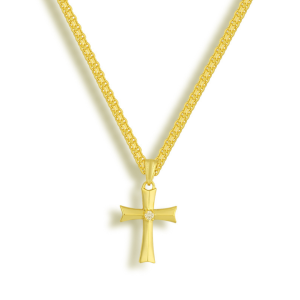
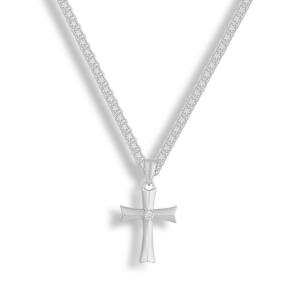
BEST SELLERS
Original price was: $19.99.$3.00Current price is: $3.00.
Sale!
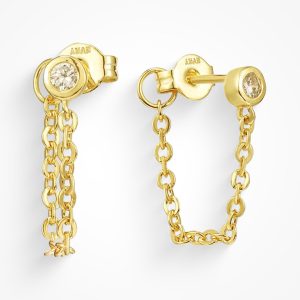
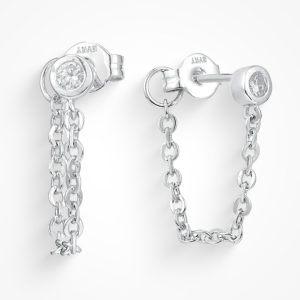
BEST SELLERS
Original price was: $16.99.$3.00Current price is: $3.00.
Sale!
BEST SELLERS
Original price was: $17.99.$3.00Current price is: $3.00.
Sale!
BEST SELLERS
Original price was: $20.99.$3.00Current price is: $3.00.
SHOP BY CATEGORY
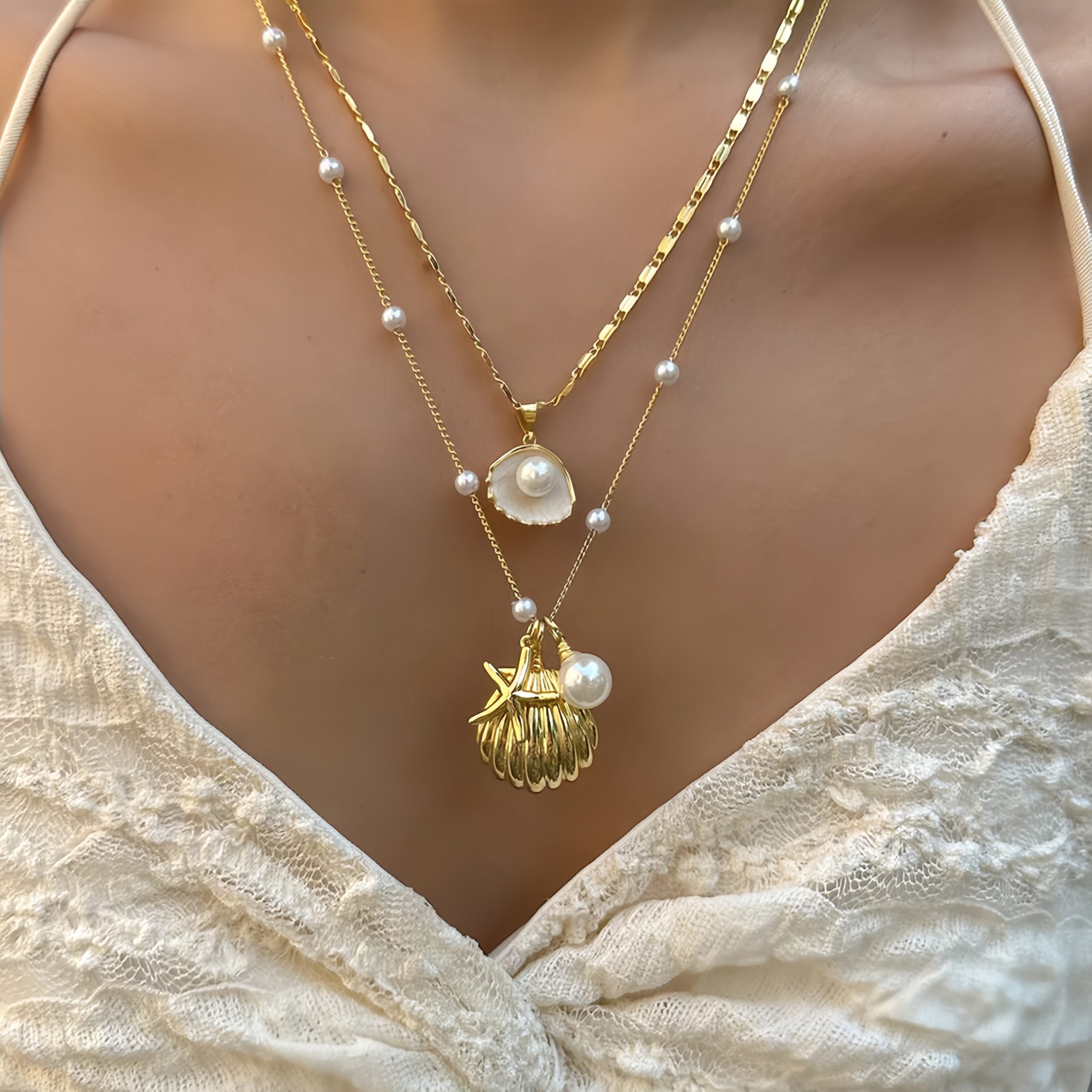
NECKLACES
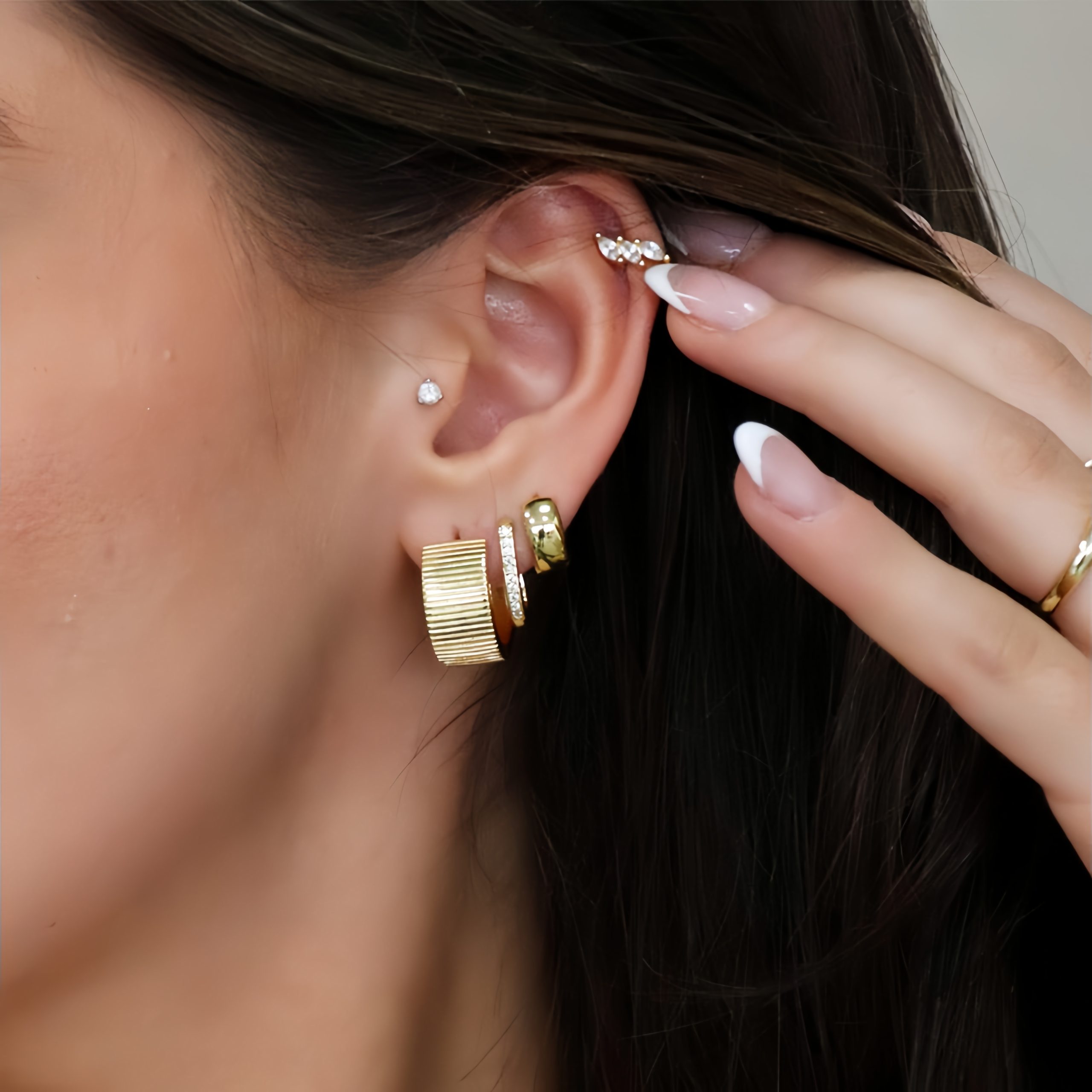
EARRINGS
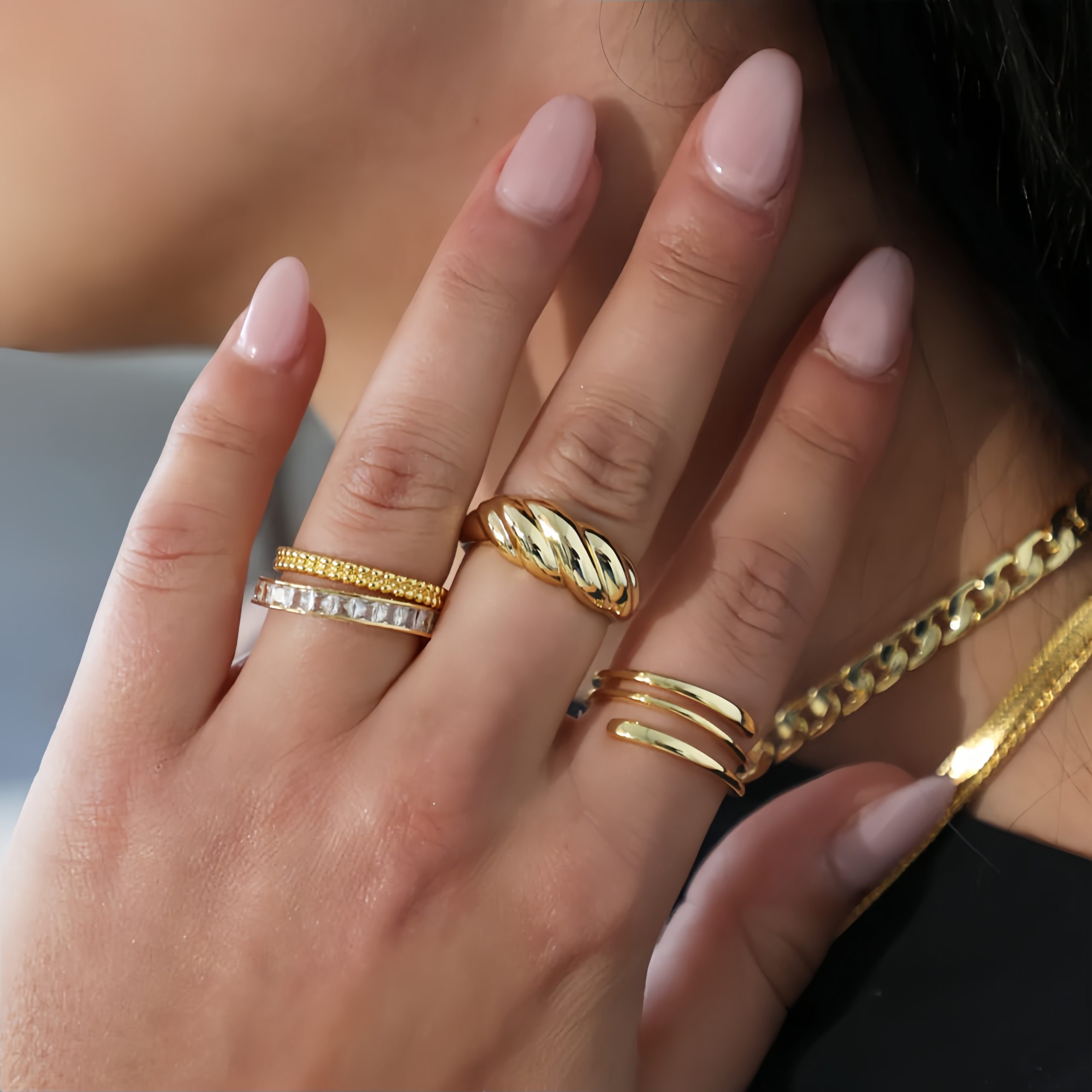
RINGS
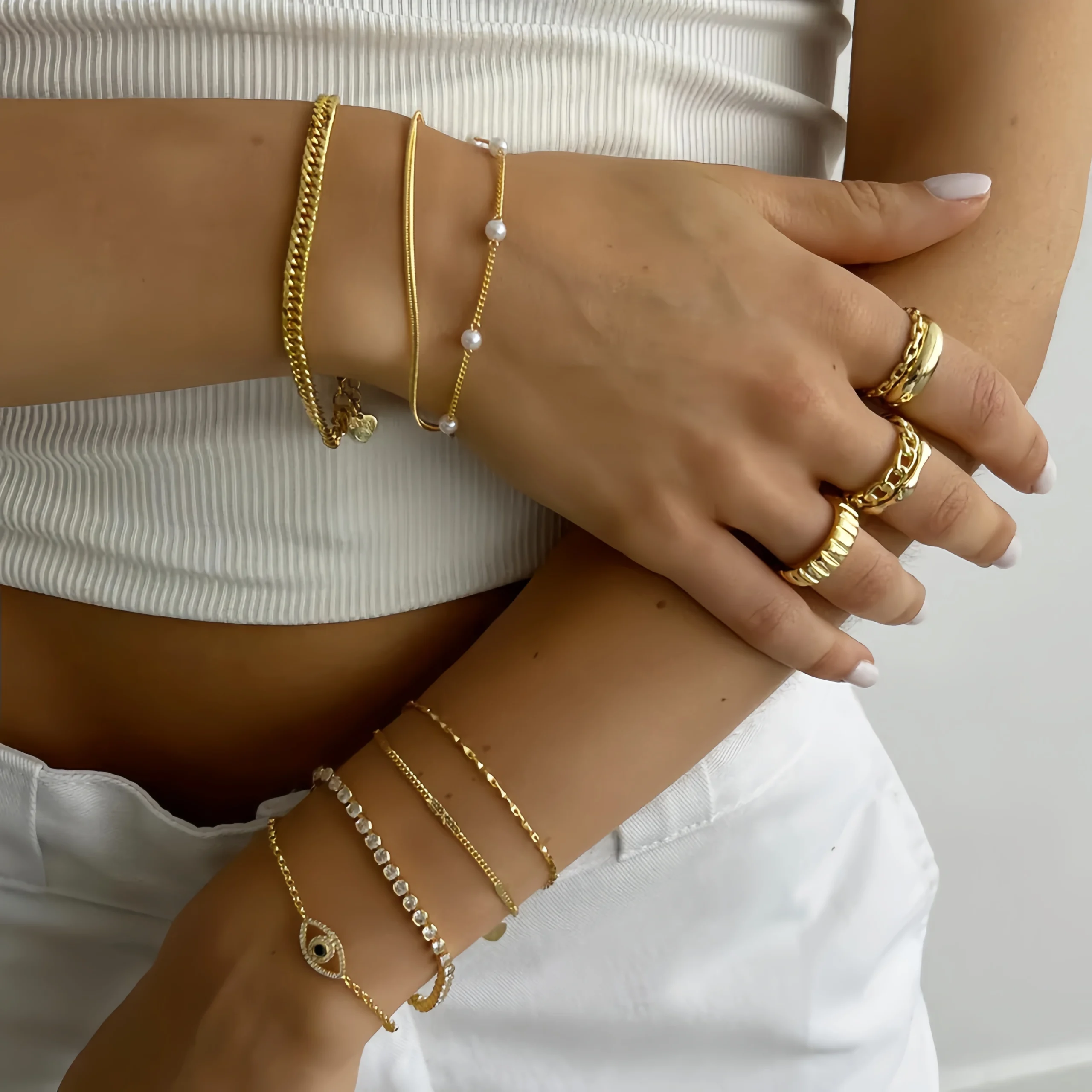
BRACELETS
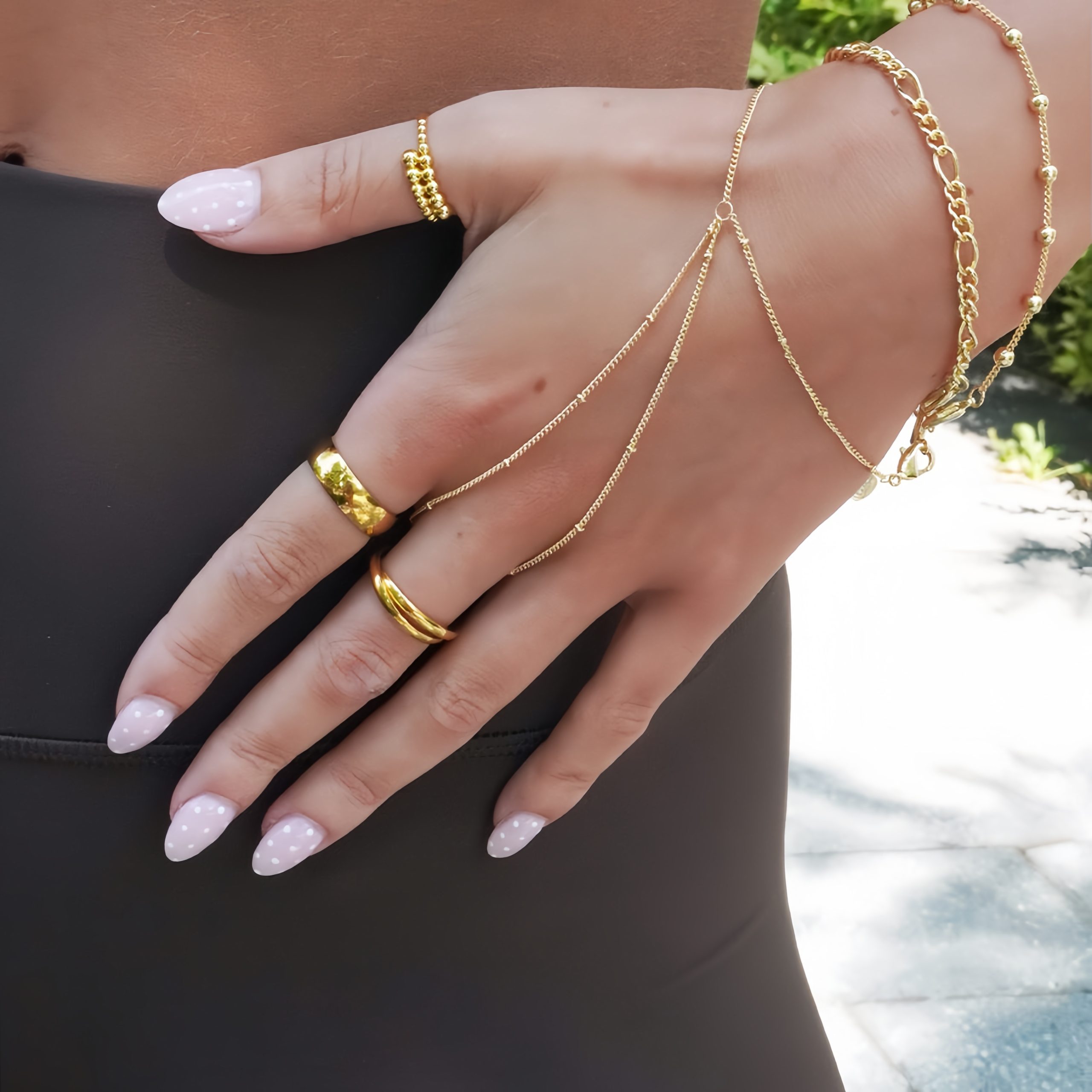
HAND CHAINS

ACCESSORIES
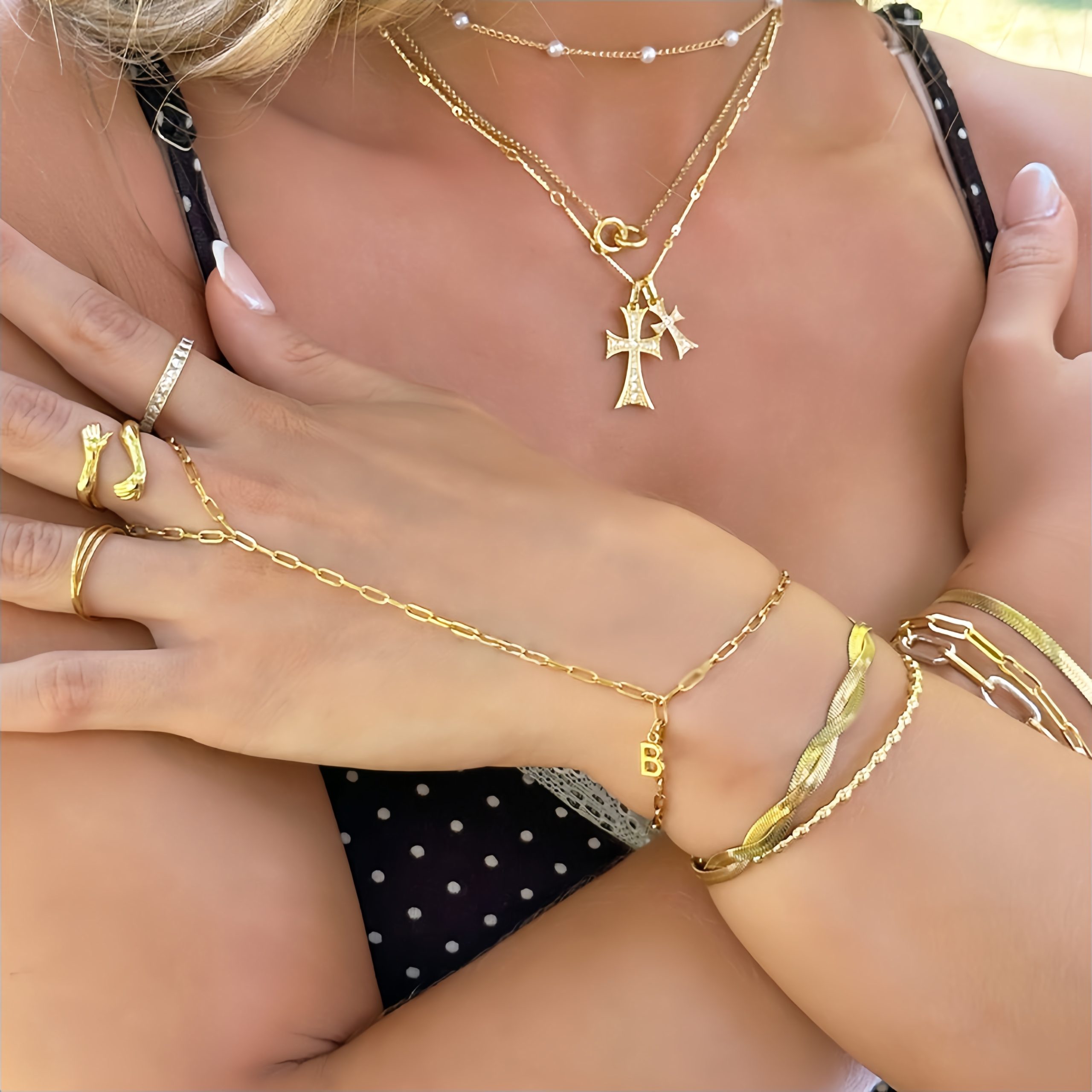
JEWELRY BUNDLES

WATERPROOF
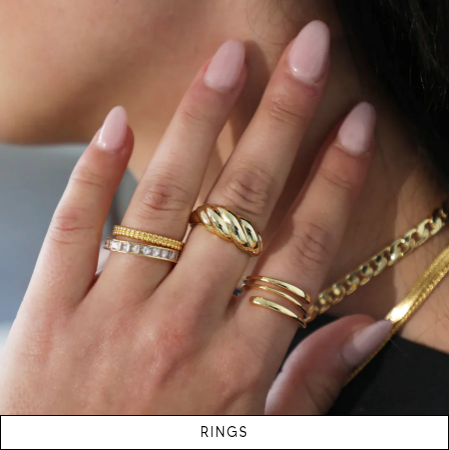
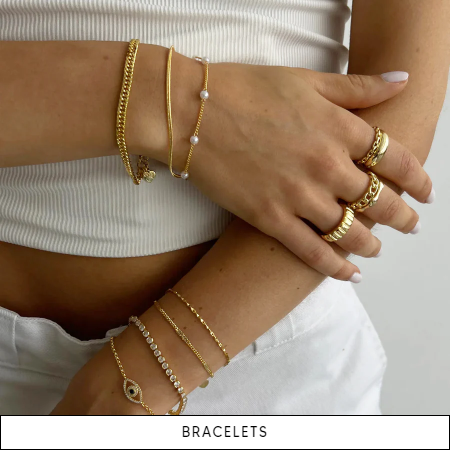
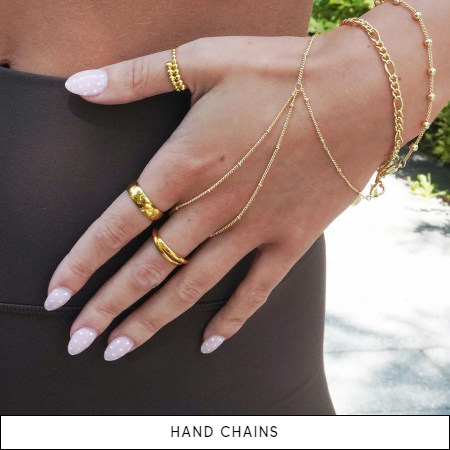

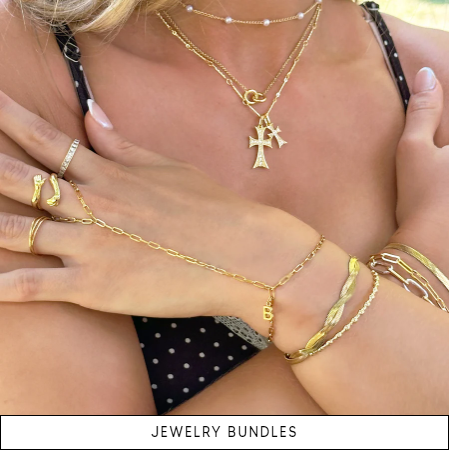
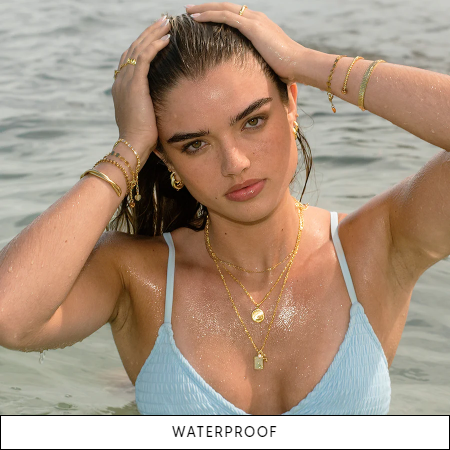
Shop The Latest Drop
Sale!
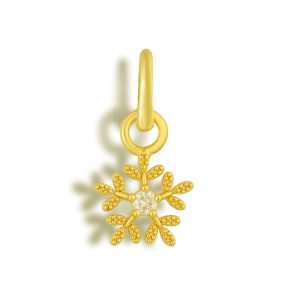
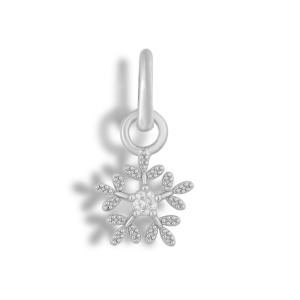
EVRY DEALS
Price range: $2.00 through $3.00
Sale!
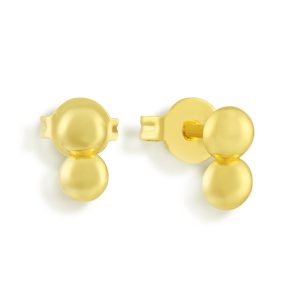
BEST SELLERS
Original price was: $16.99.$3.00Current price is: $3.00.
Sale!
BEST SELLERS
Original price was: $16.99.$3.00Current price is: $3.00.
Sale!
BEST SELLERS
Original price was: $19.99.$3.00Current price is: $3.00.
Sale!
BEST SELLERS
Original price was: $19.99.$7.50Current price is: $7.50.
Sale!
BEST SELLERS
Original price was: $19.99.$3.00Current price is: $3.00.
Sale!

BEST SELLERS
Original price was: $19.99.$3.00Current price is: $3.00.
Sale!
BEST SELLERS
Original price was: $22.99.$3.00Current price is: $3.00.
Sale!
BEST SELLERS
Original price was: $19.99.$3.00Current price is: $3.00.
Sale!
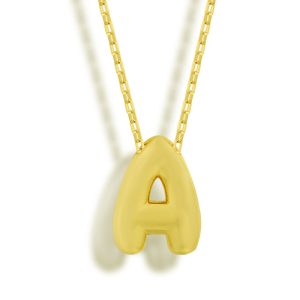
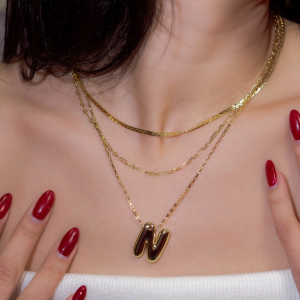
BEST SELLERS
Original price was: $19.99.$3.00Current price is: $3.00.

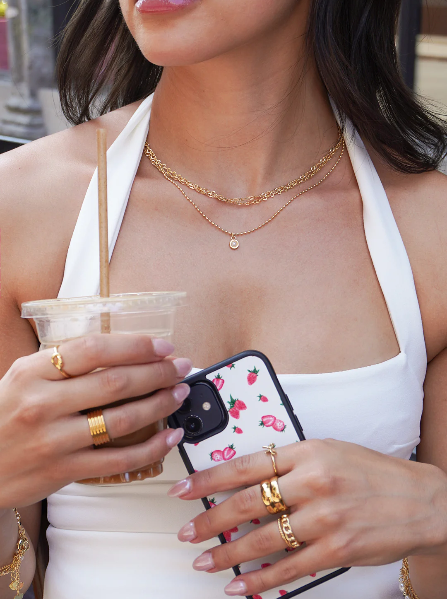
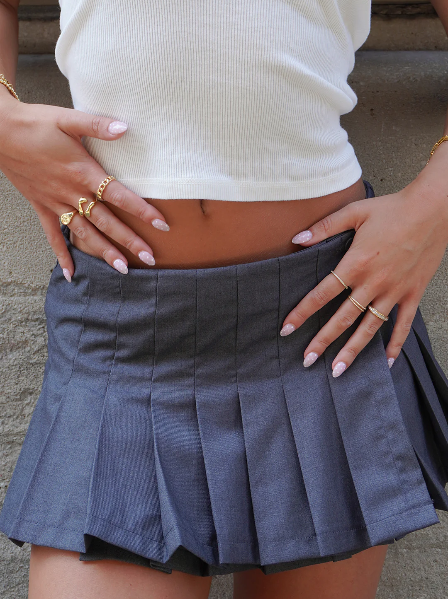

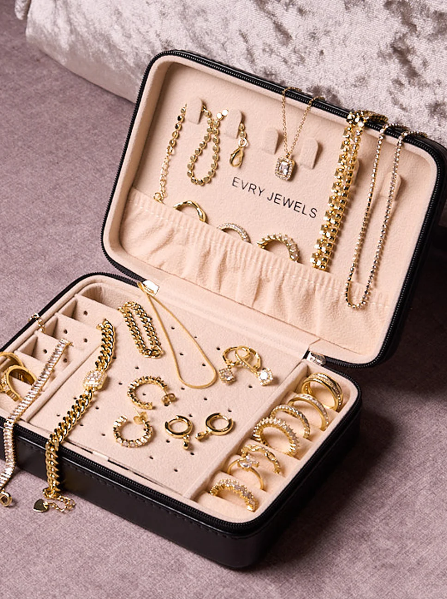
The Enduring Allure of Adornment: Jewels in the Modern Age.
Jewelry, in its myriad forms, has captivated humanity since time immemorial. It transcends mere decoration, serving as a powerful medium for storytelling, a keeper of heritage, and a dynamic expression of personal identity. From the simplest polished stone worn by early ancestors to the intricate, glittering creations of contemporary artisans, the core function of adornment remains: to amplify beauty and convey significance.
The historical trajectory of jewels is fascinating. It mirrors the rise and fall of civilizations, reflecting changes in aesthetics, technology, and social structure. Ancient civilizations utilized natural materials—shells, bones, and brightly colored stones—not just for beauty, but often as amulets believed to possess protective or spiritual power. The transition to working with precious substances like gold, silver, and gemstones marked a profound evolution, establishing these items as markers of status, wealth, and power. A piece of finely crafted gold, centuries ago, was not just an object; it was a portable, concentrated form of value, a legacy to be passed down.
What grants these objects their enduring appeal is their unique combination of material substance and immaterial meaning. A jewel is intrinsically valuable due to its components—the hardness of a diamond, the rarity of a colored gemstone, the resilience of a noble metal. Yet, its true worth often lies in the narrative it carries. An engagement ring symbolizes commitment; a family brooch represents lineage and memory; a pendant gifted during a milestone celebrates achievement. They become tangible links to moments, relationships, and the people we hold dear, making them irreplaceable anchors in a fleeting world.
In the modern context, the relationship between people and their personal treasures is evolving. While the traditional roles of marking rites of passage (weddings, anniversaries, birthdays) remain, there is a growing trend toward self-gifting and personal expression. Contemporary consumers often seek pieces that resonate with their individual style and values, rather than conforming to prescribed trends. This shift highlights a move from collecting items purely for display to curating a personal collection that truly reflects one’s inner world.
Furthermore, the creation and acquisition of these beautiful items are increasingly scrutinized through an ethical lens. The demand for responsible sourcing and transparency in the supply chain has grown significantly. Consumers are now more inclined to support artisans and businesses that prioritize ethical practices, ensuring that the beauty of the final product does not come at an unseen cost. This focus on sustainability is reshaping the industry, driving innovation in lab-created stones and the use of recycled precious metals, offering aesthetically pleasing alternatives without compromising on quality or brilliance.
The artistry involved in creating a piece of fine adornment is also a key factor in its timelessness. The process transforms raw, natural materials into sculpted forms, requiring immense skill, precision, and vision. Master craftspeople employ techniques honed over generations, whether it’s the intricate setting of tiny stones, the delicate engraving of metal surfaces, or the meticulous polishing that brings out a stone’s inner fire. This dedication to craft elevates each object to a miniature work of art—a wearable sculpture that interacts with the body and the light.
Ultimately, whether a person chooses a bold, contemporary statement necklace or a subtle, classic pair of earrings, their choice is a deliberate act of self-definition. These objects are silent communicators, speaking volumes about the wearer’s taste, history, and aspirations. They possess a duality: they are both intensely personal and publicly visible. They hold secrets close to the skin while simultaneously catching the light and the eye of the beholder. The intrinsic beauty of the materials, combined with the profound meaning we assign to them, ensures that the fascination with these treasures will continue to sparkle brightly for generations to come, securing their place not just in vaults, but in the heart of human culture.